Welcoming to the Budgerigar Council of South Australia’s guide to pet budgies commonly referred to budgerigars as parakeets. Pet owners all over the globe are fascinated by the chirpy, tiny birds. Ranking just behind the ever-popular pet and cat and budgies, budgies have earned their reputation for being affectionate and intelligent. They can also be surprisingly talkative companions.
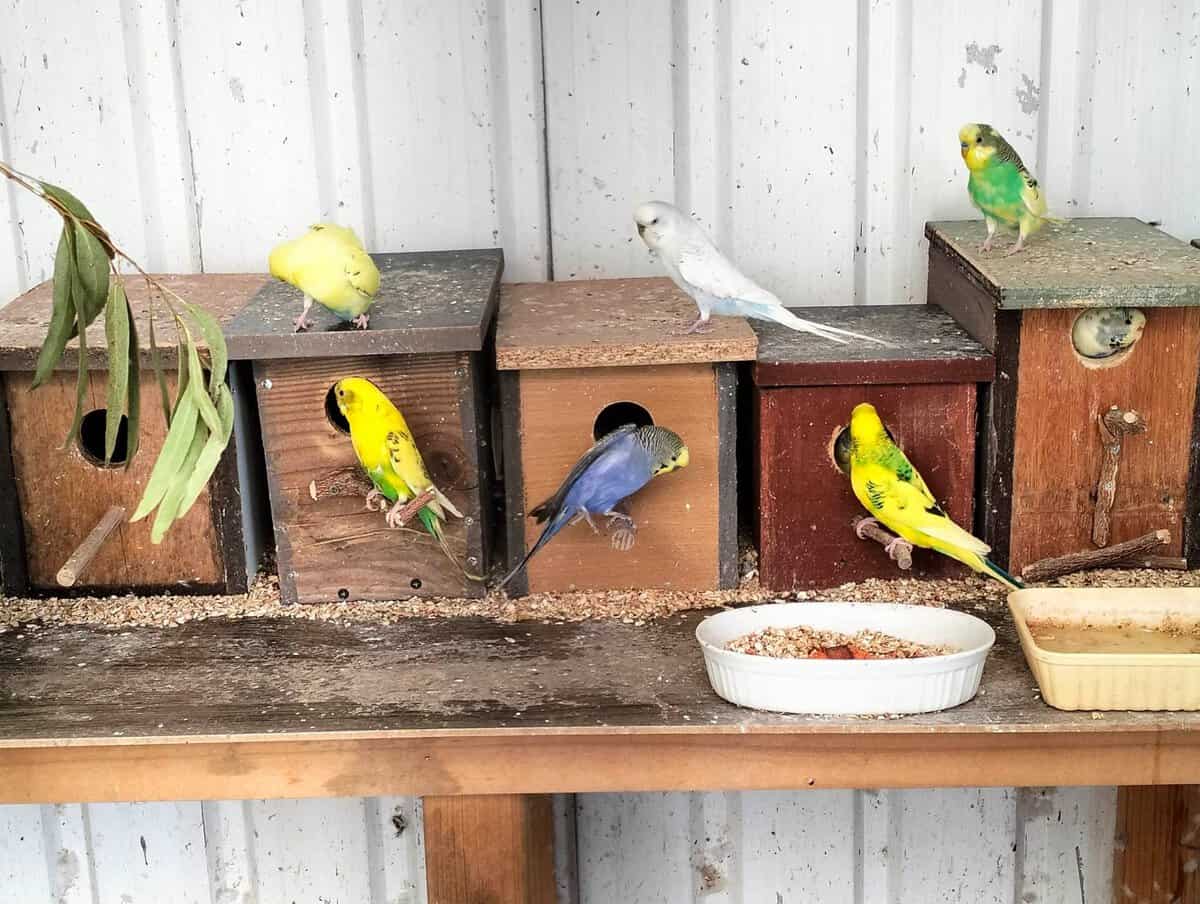
Before bringing this adorable pet into your home, it’s essential to understand their requirements and temperament. This guide gives you all the necessary information for a pleasant and healthy lifestyle for you and your furry companion.
A tiny social butterfly
Budgies are social creatures who thrive in social interaction. In the wild, they live in large swarms, continuously engaging in conversation and chirping with one the other. While a single bird can form an intimate bond with its human companion if given plenty of attention and care, they would prefer to have feathered friends. If you’re not able to handle two birds, spend time with the single bird to avoid loneliness.
Chatterboxes with a Flair to mimic
One of the most adorable traits of a pet budgie is their capacity to imitate sounds. Budgies are able to learn phrases and words with perseverance and practice. This is a great element of fun to the chirps, whistles and squeaks produced. It is possible for their vocabulary to differ widely. Some budgies may turn into true chatterboxes while others will prefer simple whistles. Their playful voice will put you a smile, regardless of how good they can talk.
Rainbow on Wings
Budgie birds come in an array of stunning shades, ranging from the traditional light blue and yellow combination to vivid shades of violet, green, and white. Breeders have come up with a myriad of mutations and you’ll be sure to discover one that is suited to your personal style. Color variations can signify age and sex in birds as well, making them an excellent topic for conversation.
Living Large in Small Spaces
Although budgies are tiny, they require plenty of space to explore, fly, and climb. The minimum cage size should be at minimum 20 inches in length 12 inches in depth and 18 inches high. But, bigger is always better! To keep your pet entertained, provide perches with varying levels or textures. Change their toys regularly to prevent boredom. The cage should not be placed directly in sunlight.
A Budgie-approved Diet
A healthy budgie bird diet consists primarily of a high-quality pelleted food formulated for small parrots. It provides them with essential nutrients they require to flourish. Fresh fruits and vegetables like chopped carrots (seeds removed), leafy greens or apples can be added to the diet of pellets. Cuttlebones keep their beaks trimmed and provide important minerals. Be sure to supply them with clean, fresh water.
The formation of a bond between you and your feathered companion
To control your bird You will require patience and a gentle touch. Begin by gently stepping up to the cage and talking softly to your pet. Sprinkle treats such as millet spray in the cage bars to create trust. When the budgie is happy with you, they can attempt to step inside the cage and allow them to perch on your fingers. The process may take some time, or even weeks so don’t be obstinate, but never aggressive.
A Lifelong Engagement
If properly taken care of the budgies will last 10 to 12 years. Take a look at your lifestyle, and if you are able to commit in the long-term. Are you able to provide them with daily interaction and a clean and stimulating environment? A budgie is a wonderful pet that can enrich your life. It will bring you delight with its cheerful chirps as well as fun actions.
The Budgerigar Council of South Australia is a proponent of the responsible ownership of pets. If you have any queries or concerns about caring for your bird do not hesitate to speak with an avian veterinarian for expert guidance.