Engineering would be a lot easier if water came at the same speed.
It’s not.
In a residential area, the amount of wastewater that goes into the system can vary throughout the day. Industrial and commercial buildings could have operating periods of peak. The amount of stormwater fluctuates dramatically depending on weather conditions. The demand for clean water also varies according to the application.
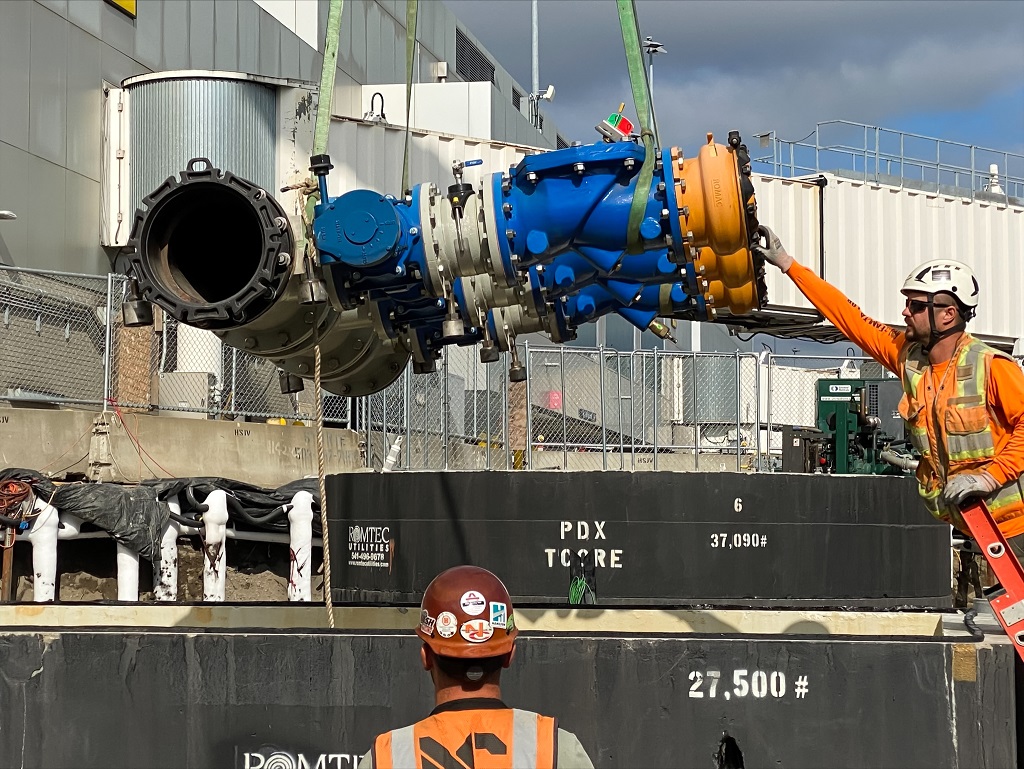
Image credit: romtecutilities.com
As a result, designing a pump station isn’t simply a matter of identifying one flow number and selecting equipment capable of meeting it. Engineers must understand the conditions that the system will be subject to.
Examine the Operating Conditions and not just the Maximum Capacity
Maximum flow is obviously important however, it’s only one aspect of the station’s operation. Imagine that a wastewater treatment facility was designed to handle a high maximum flow. Most of the time, incoming flow may be significantly lower. In these times when the station is not operating, it must operate properly.
This raises questions about wet-well size, pump operation and controls Head conditions and the way equipment can respond to a changing demand.
A well-designed package pumping system brings these considerations in line with the requirements of the facility instead of using the highest capacity of the pump as the entire design objective.
The rhythm of daily wastewater
In the course of the lifecycle of the wastewater lift station the conditions of the influent can change.
The station’s management strategy will decide how the station collects wastewater and operates its pumps. The structural dimensions, pumps, valves, piping, electrical components, and controls all have roles in the process.
Other site-specific considerations may also enter the design. Romtec Utilities can incorporate auxiliary systems such as grinder vaults and odor control equipment depending on the requirements of the application. It is more cost-effective to create stations around a specific project than to apply general configurations for every wastewater disposal site.
Stormwater Changes Much More Fast
Stormwater is a different operational scenario. A stormwater lift station may experience minimal activity in dry conditions, and then encounter an influx that is significantly greater when a weather storm occurs. It could be an element of a larger flood-control treatment, detention, or drainage plan, which makes the surrounding stormwater plan an important element of the design.
Romtec Utilities takes into consideration elements like the flow rate that is required as well as head conditions, the size of the system as well as the needs of the location and environmental concerns when designing these systems.
A station serving a commercial development may therefore look very different from one designed for a municipal stormwater application.
Head conditions are important along with Flow
The challenge of moving 1,000 gallon is not the only challenge for engineers. Engineers also need to know where the water will go, and what kind of resistance they will have to overcome with the pumping system.
Pumps can be operated at different levels of head based on the design of the system, including the piping configuration and discharge conditions, for example.
The relationship between head and flow is yet another reason why selecting a pump solely based on its ratings isn’t enough. The technology of the pump and station configuration must be adapted to the hydraulic requirements of the entire application.
The design should reflect the conditions that the station will be exposed to
Romtec Utilities creates customized pumping system for wastewater, stormwater and clean water applications. They also design and develop systems for industrial, booster and other purposes. Its process can include initial design and budgeting, complete plan sets, system supply, documentation and startup, testing and commissioning.
The premise behind the design is straightforward Pumping systems don’t spend their entire lives working under the same set of conditions.
They must also consider the project-specific hydraulic needs, along with the changing flow, demand and requirements. A successful station has to be engineered for that reality.